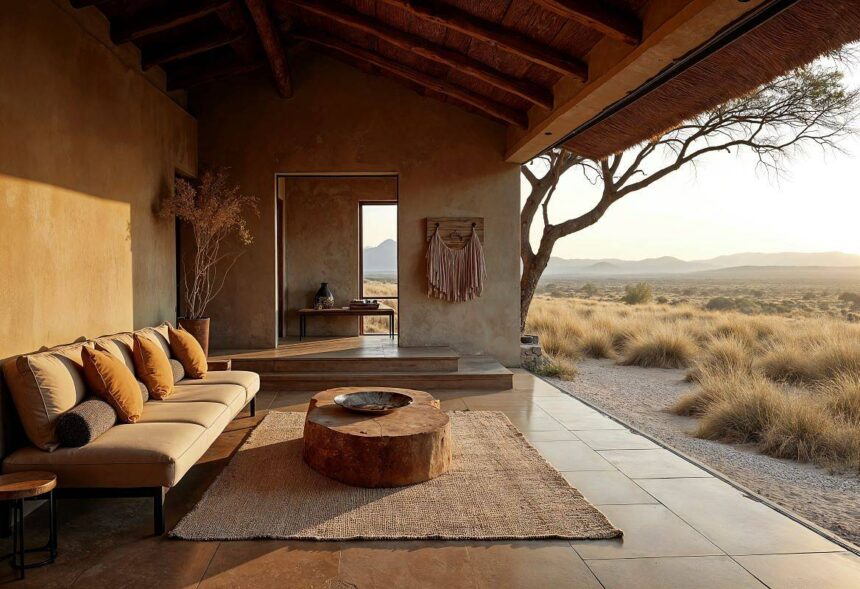

Turkish travertine has become one of the most preferred natural stones in contemporary architecture thanks to its timeless appearance, natural textures, color diversity, and compatibility with both interior and exterior applications. This article explores the factors that make Turkish travertine attractive to architects and designers, including its role in sustainable architecture, large-scale projects, facade systems, and modern interior design. It also examines how changing architectural trends continue to increase the global demand for travertine as a versatile and enduring building material.
Natural stone has been one of the fundamental building materials in architecture for centuries. From historical landmarks to contemporary residential developments, these materials continue to maintain their importance due to their ability to combine aesthetics with durability. Among natural stones, travertine stands out as one of the most frequently preferred options by architects and designers thanks to its natural texture, timeless appearance, and versatile applications.
As architectural design continues to evolve, the ability of natural materials to add character and authenticity to buildings has become increasingly valuable. When selecting building materials for modern projects, professionals consider not only visual appeal but also durability, sustainability, and environmental compatibility. In this context, travertine offers a balanced solution for both interior and exterior applications.
When examining contemporary architectural projects around the world, it becomes evident that travertine holds a significant position among natural materials. Used in a wide variety of residential projects and commercial projects, travertine adapts successfully to different design concepts and architectural styles. For this reason, many architects and design professionals evaluate travertine from turkey as part of their material selection process and benefit from the aesthetic qualities it offers.
The growing international interest in Turkish travertine is not solely based on its visual appeal. Factors such as color diversity, a broad range of stone finishes, and suitability for large-scale projects have also contributed to its increasing popularity. To better understand why travertine is widely specified in interior architecture, landscape architecture, and exterior cladding applications, it is important to explore its characteristics in greater detail.
Characteristics That Differentiate Turkish Travertine from Other Natural Stones
Travertine differs from other natural stone varieties due to its unique formation process and distinctive surface character. Formed over thousands of years through mineral-rich water deposits, this stone features natural pores and layered textures that create an authentic appearance.
Materials used in architectural projects are evaluated not only for technical performance but also for their visual impact. The natural movement visible across travertine surfaces adds character to structures while creating warm and inviting environments. This characteristic provides valuable advantages throughout the architectural design process.
While granite offers a more uniform and robust appearance, travertine creates a softer and more natural aesthetic. Marble is often recognized for its dramatic veining patterns, whereas travertine presents subtle transitions and organic textures. As a result, architects frequently consider travertine when searching for materials that can adapt to diverse design approaches.
In contemporary architecture, where natural appearances are increasingly valued, travertine is regarded as one of the few materials capable of harmonizing with both traditional and modern architectural concepts.
The Importance of Natural and Timeless Aesthetics in Architectural Projects
Although design trends continuously evolve, certain materials maintain their relevance through timeless qualities. Travertine is among those materials that consistently remain attractive across generations.
The long-term aesthetic success of a building is closely linked to the authenticity of the materials used. While artificial surfaces may gain temporary popularity, natural stones possess the ability to adapt to changing design preferences over time.
The natural tones of travertine help create warm and welcoming spaces. Particularly in interior design projects, natural surfaces contribute to stronger emotional connections between people and the environments they occupy.
For architects, timeless design means creating structures that respond not only to current trends but also to future expectations. Consequently, natural materials such as travertine continue to play a vital role in long-term architectural strategies.
What Does the Color and Texture Diversity of Turkish Travertine Offer?
One of the most remarkable architectural advantages of travertine is its diversity of colors and textures. Different geological conditions contribute to variations in tone, pattern, and surface character.
Natural shades such as beige, cream, ivory, soft gray, and warm earth tones enable travertine to complement a wide range of architectural concepts. This flexibility benefits both residential and commercial developments.
Surface treatments further expand the design possibilities of travertine. Options such as honed, brushed, tumbled, and filled finishes allow the same material to support different aesthetic goals.
This versatility provides architects and interior designers with greater creative freedom when pursuing specific design visions. As a result, travertine serves not only as a construction material but also as a significant design element.
Advantages of Using Travertine in Interior Design
Materials selected for interior spaces must satisfy both visual and functional expectations. Travertine successfully balances these requirements, making it a preferred natural stone for numerous applications.
In stone flooring projects, travertine introduces warmth and authenticity to interior environments. Its ability to create visual continuity across large surfaces has contributed to its popularity in homes, hotels, and public buildings.
Travertine surfaces used in kitchens, bathrooms, and living areas help strengthen the connection between indoor environments and natural elements. This quality aligns closely with the growing popularity of biophilic design principles.
Another advantage of travertine is its compatibility with various interior styles. Whether applied in minimalist, Mediterranean, rustic, or contemporary spaces, the material integrates naturally into diverse design languages.
Why Is Travertine Frequently Preferred for Exterior Facades?
Exterior facades play a critical role in shaping the first impression of a building. Therefore, facade materials must meet both aesthetic and performance requirements.
Travertine is widely appreciated in exterior cladding applications due to its natural appearance. It contributes warmth, elegance, and visual depth while maintaining harmony with surrounding environments.
Natural stone facades interact dynamically with daylight, producing changing shadows and reflections throughout the day. Travertine offers architects unique opportunities to create visually engaging building exteriors.
From residential developments and hospitality projects to cultural facilities and commercial buildings, travertine can be found across a wide variety of architectural applications. Its widespread use demonstrates its versatility within modern architecture.
The Importance of Material Consistency in Large-Scale Architectural Projects
Consistency is a critical factor in large-scale developments. Uniformity in color, texture, and overall appearance significantly influences the success of extensive facade systems and expansive interior spaces.
When selecting materials for major projects, architects evaluate not only aesthetics but also logistical considerations. The ability to source materials with consistent characteristics over extended periods is an important advantage.
Travertine contributes to visual continuity across large surfaces while maintaining a natural and sophisticated appearance. This quality is particularly valuable in commercial projects and mixed-use developments.
Consistent material selection helps establish a cohesive architectural identity throughout an entire project.
The Role of Natural Stone in Sustainable Architecture
Today, sustainable architecture has become one of the defining priorities within the global architectural community. The environmental impact of building materials is now a major consideration during the design process.
Natural stone is often recognized as a material that supports sustainable building practices due to its durability and long service life. Travertine is frequently included within this category.
Its ability to remain functional and aesthetically relevant for decades reduces the need for frequent renovations or replacements, contributing positively to sustainability objectives.
Furthermore, natural materials help create stronger connections between buildings and their surrounding environments. For this reason, travertine continues to be incorporated into many sustainable architectural strategies.
Why Turkish Travertine Stands Out in International Projects
Materials selected for international architectural projects must satisfy both technical requirements and design expectations. Travertine successfully addresses both criteria.
Its adaptability to different climates and architectural styles has contributed to its widespread use around the world. From luxury hotels to contemporary high-rise buildings, travertine can be found in numerous prestigious projects.
Within today’s architectural trends, where natural textures and authentic materials are increasingly valued, travertine occupies an important position. The growing preference for understated and nature-inspired design has further strengthened its appeal.
As a result, travertine continues to establish a lasting presence within the global architectural vocabulary.
What Criteria Do Architects Evaluate When Selecting Travertine?
When architects choose travertine for a project, they consider multiple factors simultaneously. Color harmony, surface characteristics, and compatibility with the overall design concept are among the primary considerations.
Different surface treatments may be selected depending on whether the application is intended for interior or exterior use. Project location and functional requirements also influence material selection.
Travertine specified for landscape architecture projects may differ from materials used in interior spaces due to varying performance expectations and design objectives.
Ultimately, selecting the appropriate stone contributes significantly to the overall success and visual coherence of an architectural project.
The Place of Travertine in Future Architectural Trends
Natural materials, sustainability, and timeless aesthetics continue to shape the future direction of architecture. These evolving priorities suggest that travertine will remain a relevant and influential building material for years to come.
Projects emphasizing organic textures and authentic surfaces increasingly incorporate travertine as a central design element. Architects are seeking to create more balanced and human-centered environments through the integration of natural materials.
In this context, the use of turkish travertine tiles is expected to become even more visible in international architectural and design projects. Emerging design approaches that reinterpret natural materials continue to reinforce the importance of travertine.
An examination of contemporary architectural trends indicates that natural stone will remain an essential component of modern construction, with travertine maintaining a prominent role within that landscape.
Why Is Interest in Turkish Travertine Increasing Among Design Professionals?
Architects and designers seek materials that deliver not only aesthetic value but also long-term performance and design consistency. Travertine successfully fulfills these expectations and continues to attract attention across the architectural community.
Its natural texture, broad range of colors, timeless character, and versatility make it suitable for both interior and exterior applications. As modern architecture increasingly embraces natural materials, the significance of travertine continues to grow.
At a time when natural stone is experiencing renewed popularity, travertine remains one of the most frequently evaluated building materials among architects and design professionals. This growing interest is driven not only by aesthetic considerations but also by factors such as sustainability, durability, and architectural compatibility.