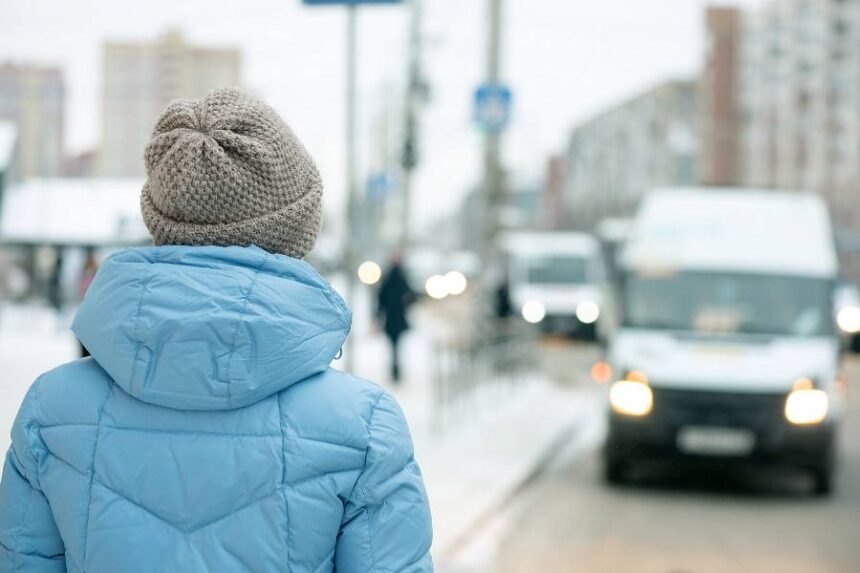

Most visitors come to Auschwitz between May and September, and most of the advice online is written with that season in mind. Yet the memorial is open all year, and the months from November to March offer something the summer never does: space. Fewer groups, shorter waits at the entrance, and a Birkenau that looks the way it does in the photographs people remember, grey, bare and silent. Winter has its own demands, though, and they are worth knowing before booking.
Why the off-season changes the visit
In high season the museum admits visitors in timed slots that fill up weeks ahead, and the paths between the blocks of Auschwitz I can feel crowded even with a guide. From late autumn the pressure eases. Tickets are easier to secure, groups move at a calmer pace and the guide has time to stop where the group wants to stop. Operators run through the winter without interruption; Auschwitz Museum Tours, a Krakow-based company specialising in this route, runs its day trips daily throughout the year, subject only to museum availability and weather, with hotel pickup, an air-conditioned vehicle, official museum tickets and a licensed museum educator included in every departure. The day itself lasts the same 7 to 7.5 hours as in summer, with about an hour and a half of driving each way and roughly 3.5 hours on site.
Dressing for Birkenau in January
Auschwitz I is manageable in cold weather, because much of the tour takes place inside the brick blocks. Birkenau is another matter. The site is enormous, flat and completely open, and the wind crosses it unobstructed. The hour and a half spent there in a winter tour is spent almost entirely outdoors, walking along the railway ramp, between the remains of the wooden barracks and out to the ruins of the crematoria. A warm coat, hat, gloves and shoes that cope with mud or packed snow are not optional. Hand warmers help. So does keeping the small bag that is allowed inside, up to 35 x 25 x 15 cm, light enough to carry for several kilometres. There is no lunch stop on the tour and no eating inside the museum grounds, so breakfast before pickup matters even more when the body is burning energy to stay warm.
Light, photographs and the short winter day
Winter light is low and flat, which changes the way the site is seen and photographed. Photography without flash is allowed almost everywhere, with the exceptions of block 4 and the basement of block 11, and in December and January the daylight starts to fade by mid-afternoon, so morning departures from Krakow are the sensible choice. The guide provides headsets, which matter more in winter than in summer: hoods up and scarves over mouths make unaided listening difficult, and the headsets let the group spread out rather than huddle.
Who the winter visit suits
The quieter season suits anyone who found the idea of visiting in a crowd uncomfortable, and it suits families with older teenagers, who get more of the guide’s attention. The museum does not recommend the visit for children under 14 in any season, and that applies in winter as much as in July. Visitors with limited mobility should think twice about the coldest months: wheelchairs can be reserved at the Visitor Service Centre, but frozen or muddy ground at Birkenau makes the open sections hard going. For everyone else the choice between a shared group departure, from 369 PLN, and a private tour with its own vehicle and driver works exactly as it does in summer, and the private option is the one to pick for a group that wants to linger.
Booking in the off-season
Entry passes remain limited in winter, only less tightly, so reserving a couple of weeks ahead is usually enough outside the Christmas and New Year period, when Krakow fills up again and the January 27 anniversary of the liberation brings official ceremonies and restricted access. Operators publish their cancellation terms up front, which helps when winter flights are uncertain. And one practical advantage of the season rarely mentioned: the drive back to Krakow in the dark, with the city lights ahead, is a gentler way to end the day than the summer glare.