

The Antabuse implant, widely known as the alcohol chip, has become a familiar option for UK patients seeking structured medical support against alcohol dependency. Rather than relying on daily tablets that require constant discipline, the implant delivers a steady dose of disulfiram over several months, giving patients real breathing room to rebuild routines, relationships, and self-trust. Availability has grown across England, Wales, and Scotland, with clinics now offering the procedure in most major cities and increasingly straightforward consultation pathways.
Accessing the Alcohol Chip Across Scotland
Demand for disulfiram-based treatment has grown steadily across Scotland, driven partly by public awareness campaigns and partly by long NHS waiting times for specialist addiction services. Patients in Glasgow, Aberdeen, and the central belt now have realistic private options, and on the dedicated service page for Alcohol Chip in Edinburgh they will find clinic locations, current availability, and consultation details for the capital. Local access matters, because travel fatigue and unfamiliar surroundings can genuinely undermine early motivation to attend that first appointment.
Comparing the Alcohol Chip Against Oral Antabuse
Choosing between implant and tablet involves clinical, financial, and behavioural factors that rarely reduce to a single answer. For a full breakdown of the numbers, the article “Antabuse Implant UK: Price, the Chip & Tablet Compared” gathers costs, treatment duration, and adherence patterns into a single reference. Tablets suit disciplined patients with strong home support, while the alcohol chip tends to work better for those who need the reassurance of a decision they cannot easily reverse in a difficult moment.
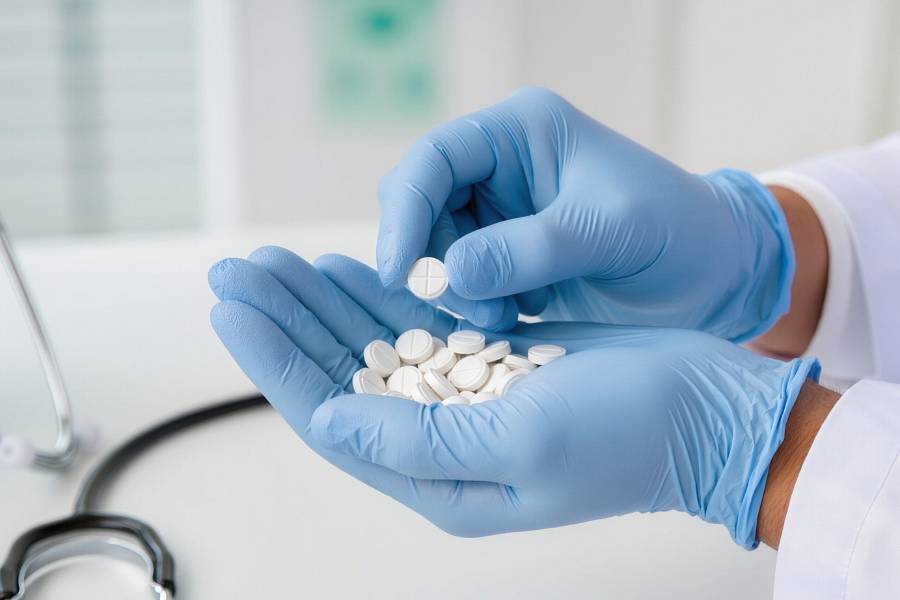
How the Antabuse Implant Blocks Alcohol Metabolism
The Antabuse implant relies on disulfiram released slowly from a sterile pellet placed beneath the skin, usually in the lower abdomen. Once active, disulfiram blocks the liver enzyme responsible for breaking down acetaldehyde, a toxic byproduct of alcohol metabolism. Any drinking triggers rapid, unpleasant reactions such as flushing, nausea, and an elevated heart rate. This physiological response builds a strong deterrent against impulsive drinking and gives patients real time to strengthen coping habits. Unlike willpower alone, which fluctuates from hour to hour, the pharmacological barrier stays consistent regardless of mood, stress levels, or unexpected social pressure.
Who Benefits Most from the Alcohol Chip
The alcohol chip suits adults already through detoxification who feel genuinely ready to stay sober but need extra structure to hold that decision in place. It is particularly valuable for patients with a history of relapse, those living in high-risk social environments, or anyone who has struggled to maintain a daily tablet regime. A responsible clinic always assesses liver function, cardiac health, and mental state before approving the procedure, ensuring the treatment fits the patient’s overall clinical picture and long-term goals. Honest disclosure during consultation genuinely matters here, since undisclosed conditions can affect both safety and results.
Antabuse Implant Procedure and Recovery Timeline
Fitting the Antabuse implant takes around twenty minutes under local anaesthesia and is usually performed as a short outpatient visit. Most patients return to normal activity within a day or two, needing only minor wound care at the incision site. The implant remains active for roughly ten to twelve months, during which counselling, family involvement, and honest daily reflection substantially improve outcomes and reduce the risk of relapse once the pellet is fully absorbed by the body. Building non-drinking rituals during those months, from morning routines to weekend plans, gives patients something durable to carry forward when the pharmacological support ends.